
Introduction to Cultural Safari Experiences
When travelers imagine African Safari Tours, they often picture vast savannahs, roaming wildlife, and breathtaking sunsets. Yet, beyond the iconic landscapes lies a deeper connection—the people who have preserved this ecosystem for generations. A Maasai Village Tour offers a rare opportunity to experience the human side of the safari, where culture, tradition, and nature coexist in perfect harmony. With Drunken Elephant Mara, this journey becomes more than sightseeing; it becomes a meaningful cultural immersion.
The Living Heritage of the Maasai
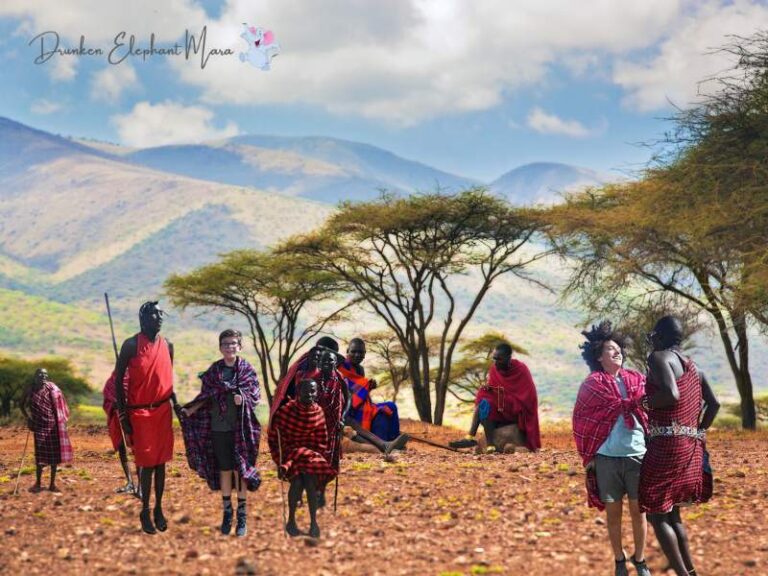
The Maasai community stands as one of East Africa’s most recognizable and respected tribes. Dressed in vibrant red attire and adorned with symbolic beadwork, they represent strength, unity, and resilience. During a Maasai Village Tour, visitors gain firsthand insight into their traditions, customs, and way of life. Unlike typical tourist stops, these visits are deeply interactive, allowing travelers to engage with the community in an authentic and respectful manner.
A Warm Welcome into Tradition
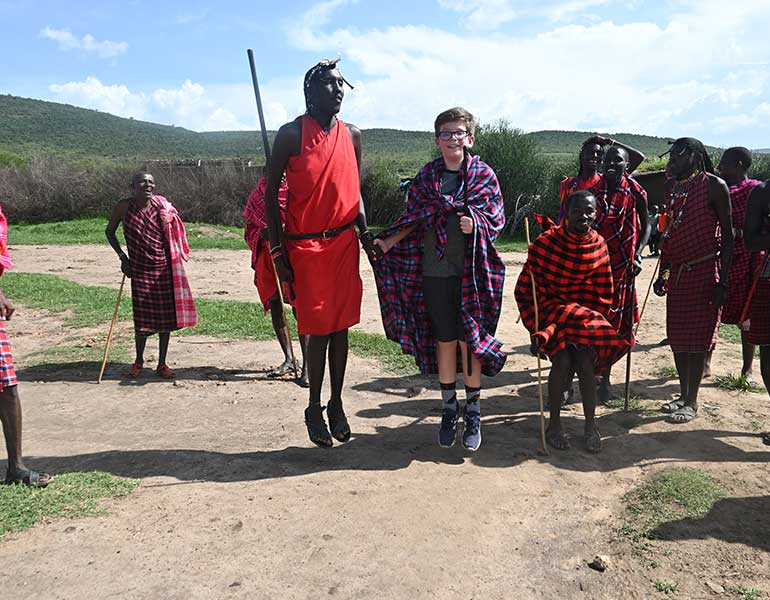
Arriving at a Maasai settlement, known as a Manyatta, is an experience filled with energy and emotion. Guests are often greeted with traditional songs and the famous jumping dance, creating an unforgettable first impression. This lively welcome reflects the spirit of the Maasai people and sets the tone for an immersive journey. Through African Safari Tours, these cultural moments bring depth and connection, turning a simple visit into a cherished memory.
Learning Harmony Between Nature and Life
One of the most fascinating aspects of a Maasai Village Tour is understanding how the Maasai live alongside wildlife. They have developed sustainable practices that allow them to coexist with animals such as lions, elephants, and other members of the “Big Five.” This balance between human life and nature highlights the importance of conservation, making cultural experiences an essential part of African Safari Tours.
Art, Stories, and Meaningful Connections
The Maasai are known for their intricate beadwork, where each color and design tells a story. Visitors can witness these artistic traditions and even purchase handmade jewelry that carries cultural significance. Conversations with elders provide valuable insights into their beliefs, history, and oral storytelling traditions. These interactions create a deeper understanding of the culture and foster genuine connections that go beyond ordinary travel experiences.

Why Choose Drunken Elephant Mara
With Drunken Elephant Mara, every Maasai Village Tour is conducted with respect and authenticity. The company focuses on ethical tourism, ensuring that local communities directly benefit from each visit. By supporting education and sustainable practices, Drunken Elephant Mara creates experiences that are both enriching for travelers and empowering for the Maasai people. Their commitment to responsible travel makes them a trusted choice for unforgettable African Safari Tours.
Conclusion
A Maasai Village Tour adds depth, meaning, and cultural richness to African Safari Tours. It transforms a wildlife-focused journey into a holistic experience that connects travelers with the heart and soul of Africa. With Drunken Elephant Mara, you are not just exploring a destination—you are becoming part of a story that celebrates tradition, community, and nature.
Author Bio
Drunken Elephant Mara is a premier safari experience provider in Kenya, specializing in immersive and ethical African Safari Tours. With a strong focus on cultural engagement and sustainable tourism, the company offers authentic experiences such as the Maasai Village Tour, allowing travelers to connect deeply with local communities. Committed to responsible travel, Drunken Elephant Mara ensures that every journey supports conservation efforts and uplifts the Maasai people, creating meaningful and unforgettable safari adventures.